
Restore Your Vitality: Precision Hormone Optimization
Stop the "roller coaster" of low energy and brain fog. Dr. Forwand provides custom, weekly protocols designed to restore your natural balance and peak performance.

Is Low Testosterone Holding You Back?
-
Unexplained fatigue and low energy?
-
-
-
Health Risks of Untreated Low Testosterone
-
Testosterone plays a key role in regulating fat distribution and muscle mass in men. When testosterone levels drop, the body tends to store more fat — particularly around the abdomen — while simultaneously losing lean muscle. Studies show that obese men are significantly more likely to have low testosterone, creating a cycle where low-T drives weight gain and excess body fat further suppresses testosterone production. TRT, combined with a medically supervised weight loss program, can help break this cycle.
-
Research published in leading cardiology journals has found that men with low testosterone face a significantly higher risk of cardiovascular disease, including heart attack and stroke. Testosterone helps maintain healthy blood vessel function, red blood cell production, and cardiac muscle strength. Dr. Forwand's background as a cardiologist makes Prime Balance uniquely qualified to monitor and manage cardiovascular health throughout your TRT protocol, ensuring your heart health is never overlooked.
-
There is a well-established bidirectional relationship between low testosterone and type 2 diabetes — low-T increases insulin resistance, and insulin resistance further suppresses testosterone production. Men with low testosterone are significantly more likely to develop type 2 diabetes compared to men with healthy hormone levels. Restoring testosterone to optimal levels through physician-supervised TRT has been shown in multiple studies to improve insulin sensitivity and support better blood sugar control.
-
Low testosterone has been linked to unfavorable changes in cholesterol levels, including higher LDL (bad cholesterol) and lower HDL (good cholesterol). These changes contribute to metabolic syndrome, a cluster of conditions that increase the risk of heart disease and stroke. Many men undergoing TRT at Prime Balance have reported measurable improvements in their cholesterol panels, supporting the growing body of research connecting hormone optimization with better metabolic health.
-
A 2009 study found that men with low testosterone are five times more likely to develop anemia compared to men with normal testosterone levels. Testosterone stimulates the production of red blood cells through its effect on erythropoietin, a hormone produced by the kidneys. When testosterone is deficient, red blood cell production declines, leading to fatigue, weakness, and reduced exercise tolerance — symptoms that are often mistakenly attributed to aging alone.
-
While aging is inevitable, low testosterone can accelerate many of its most debilitating effects — including muscle loss, bone density reduction, cognitive decline, and decreased energy. Men with clinically low testosterone often experience these symptoms decades earlier than their peers with healthy hormone levels. Optimizing testosterone through a personalized, physician-supervised protocol can slow this progression, helping men maintain strength, mental sharpness, and quality of life well into their later years.
Our Precision Protocol
-
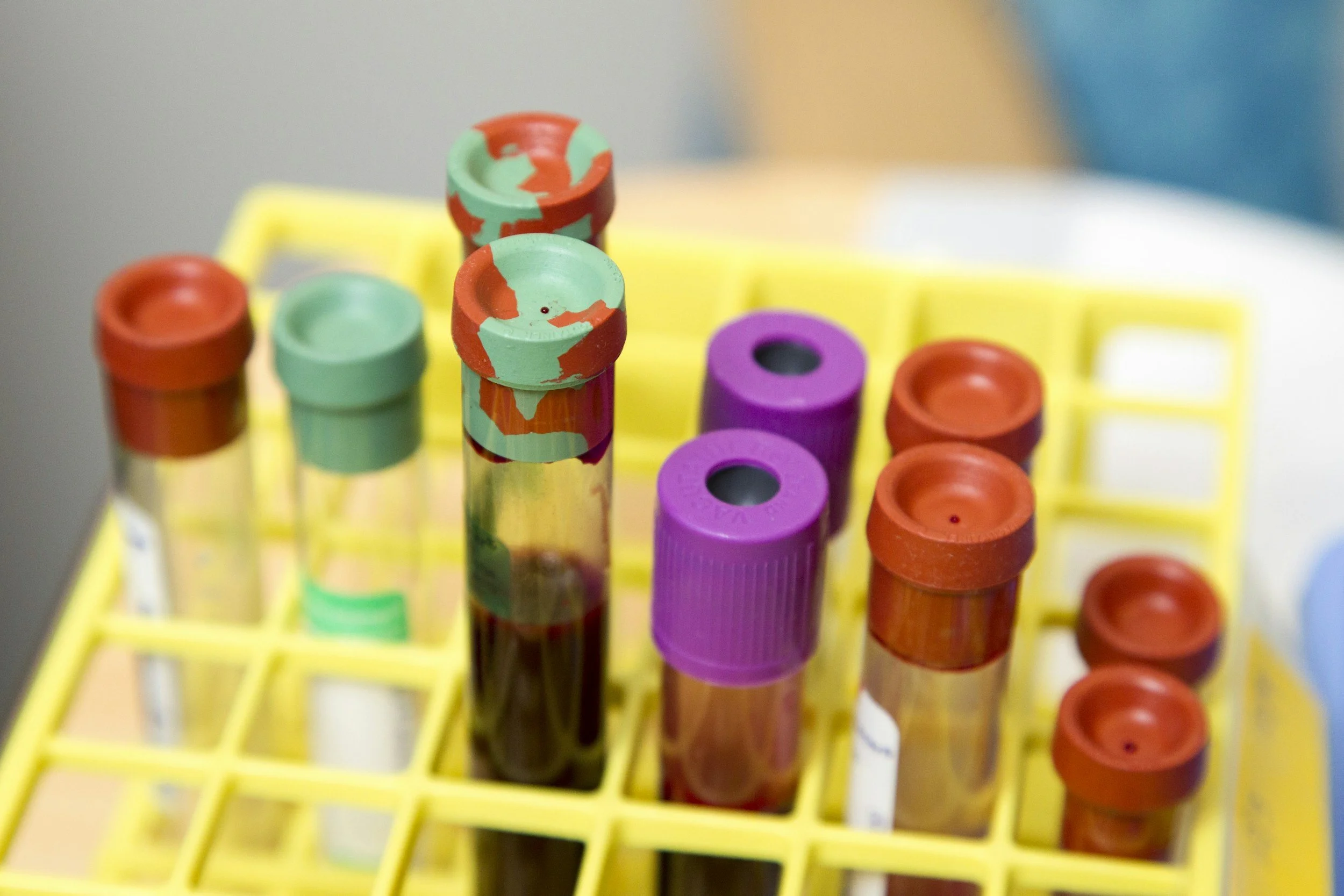
Comprehensive Evaluation
We analyze 50+ biomarkers to see your true baseline, not just a "normal" range.
-

Metabolic Stability
We use the 5-8 day half-life of Testosterone Cypionate to provide weekly dosing or twice weekly dosing, avoiding the "roller coaster" of bi-weekly shots.
-

Total Optimization
We preserve natural function with hCG and monitor Estradiol ratios to ensure long-term health.
Stability Over the "Roller Coaster"
Most clinics treat Low-T with a one-size-fits-all approach, often dosing every two to four weeks. We believe this is a disservice to the patient.
The half-life of Testosterone Cypionate is approximately 5 to 8 days. When injections are spaced too far apart, your levels peak rapidly and then crash, leading to a "roller coaster" of energy, mood swings, and returning symptoms before your next dose.
At Prime Balance, we utilize a Weekly Stability Protocol. By mirroring your body’s natural rhythm with more frequent, smaller doses, we maintain your testosterone within a steady, therapeutic window. This ensures you feel as energized and focused on day six as you did on day one.
Beyond Just Testosterone: Total Hormonal Balance
True optimization requires more than just a prescription; it requires a deep understanding of your body’s internal chemistry.
Preserving Your Natural Function
When you receive testosterone from an external source, your body’s natural production signal can decline. Unlike many clinics that overlook this, we incorporate hCG (Human Chorionic Gonadotropin) into every protocol. This critical adjunct therapy mimics your natural signals, preserving testicular function and ensuring a more holistic recovery of your vitality.
Precision Estrogen Management
As your testosterone levels increase, your body naturally converts a portion into Estradiol (estrogen). While some estrogen is vital for heart and brain health, too much—or too little—can cause unwanted side effects. We don't guess; we test. By monitoring your specific Testosterone-to-Estradiol ratio, we ensure your hormones stay in perfect harmony, keeping you lean, focused, and side-effect free.
Direct Access. Precision Results.
Skip the middleman. At Prime Balance, you aren't just a chart number in a corporate system. You work directly with your provider to develop a tailored optimization plan, ensuring every adjustment is based on your data and your goals.